Chapel as Athanor: The Journey Begins
I’m opening a new doorway in the Phoenix Cabinet: Chapel as Athanor, an evolving initiatic journey through Naples’ Sansevero Chapel. It begins with a question: could a work of architecture become an image of the alchemical Work, inviting the visitor to become the matter of their own transformation?
Mercury · Sulfur · The inner furnace
The work begins within
The prince and his chapel
A meeting of experiment, art, and mystery
Raimondo di Sangro (1710–1771), seventh Prince of Sansevero, was an inventor, publisher, patron, and experimental investigator, as well as a prominent figure in Neapolitan Freemasonry. His intellectual world brought Enlightenment inquiry into conversation with older esoteric traditions. The legends surrounding him are extraordinary; the documented life is already rich enough to reward close attention. [1]
In the historic heart of Naples, the Sansevero Chapel gives that world an architectural expression. A Christian sanctuary and memorial to the di Sangro family, it predates Raimondo, who transformed its artistic ensemble during the eighteenth century. Within this intimate setting, marble seems to cross the boundaries of its own substance: a veil becomes translucent, a net becomes supple, and a body appears beneath a shroud. [2]
Antonio Corradini’s Pudicizia (Modesty) and Francesco Queirolo’s Disinganno (Disillusion) join the celebrated Veiled Christ by Giuseppe Sanmartino in an ensemble where familial remembrance, Christian meaning, and philosophical symbolism overlap. The museum itself reads the Virtues as stages toward interior knowledge and perfection, while acknowledging that their symbolism permits more than one interpretation. [3]
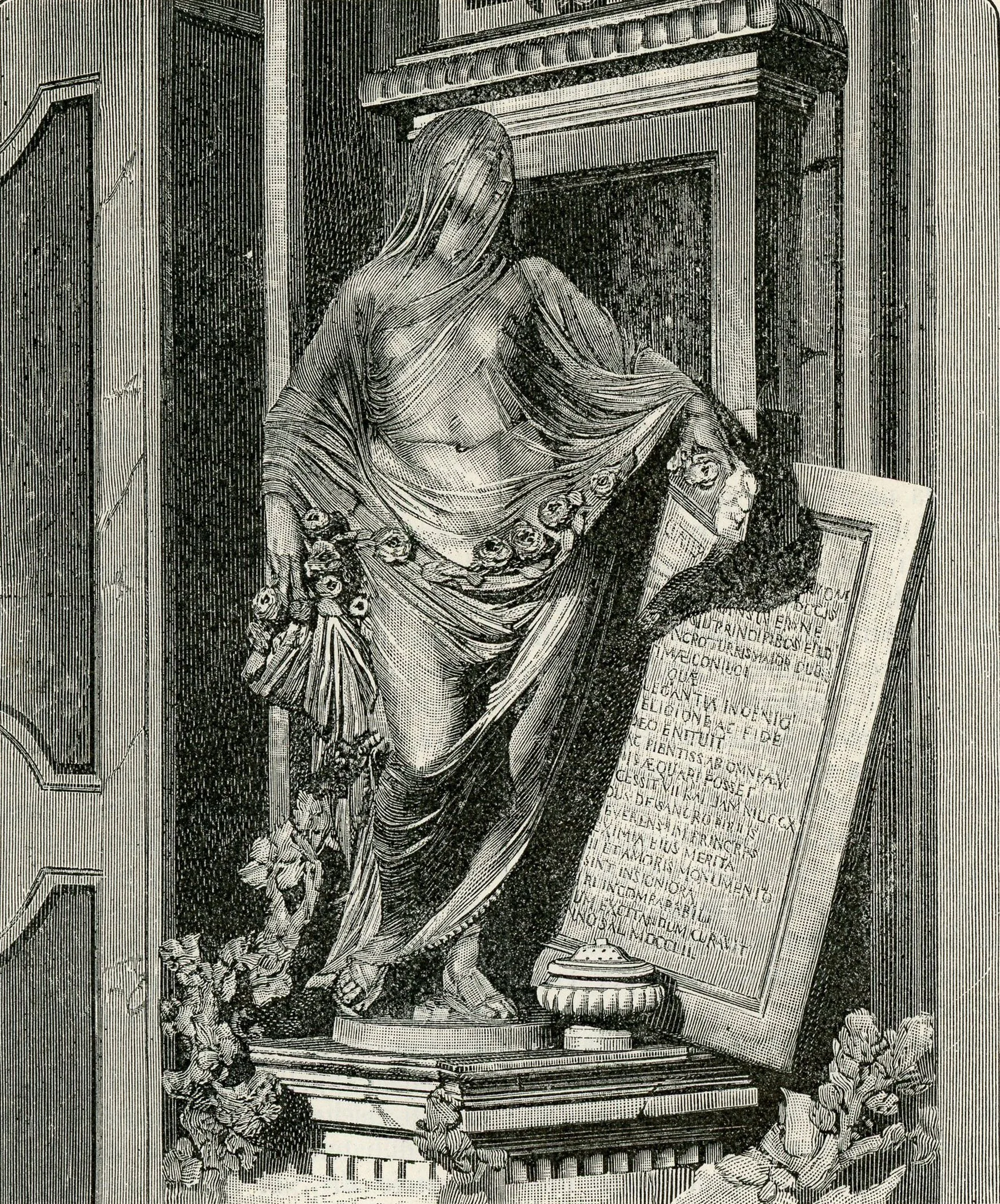
What remains concealed?
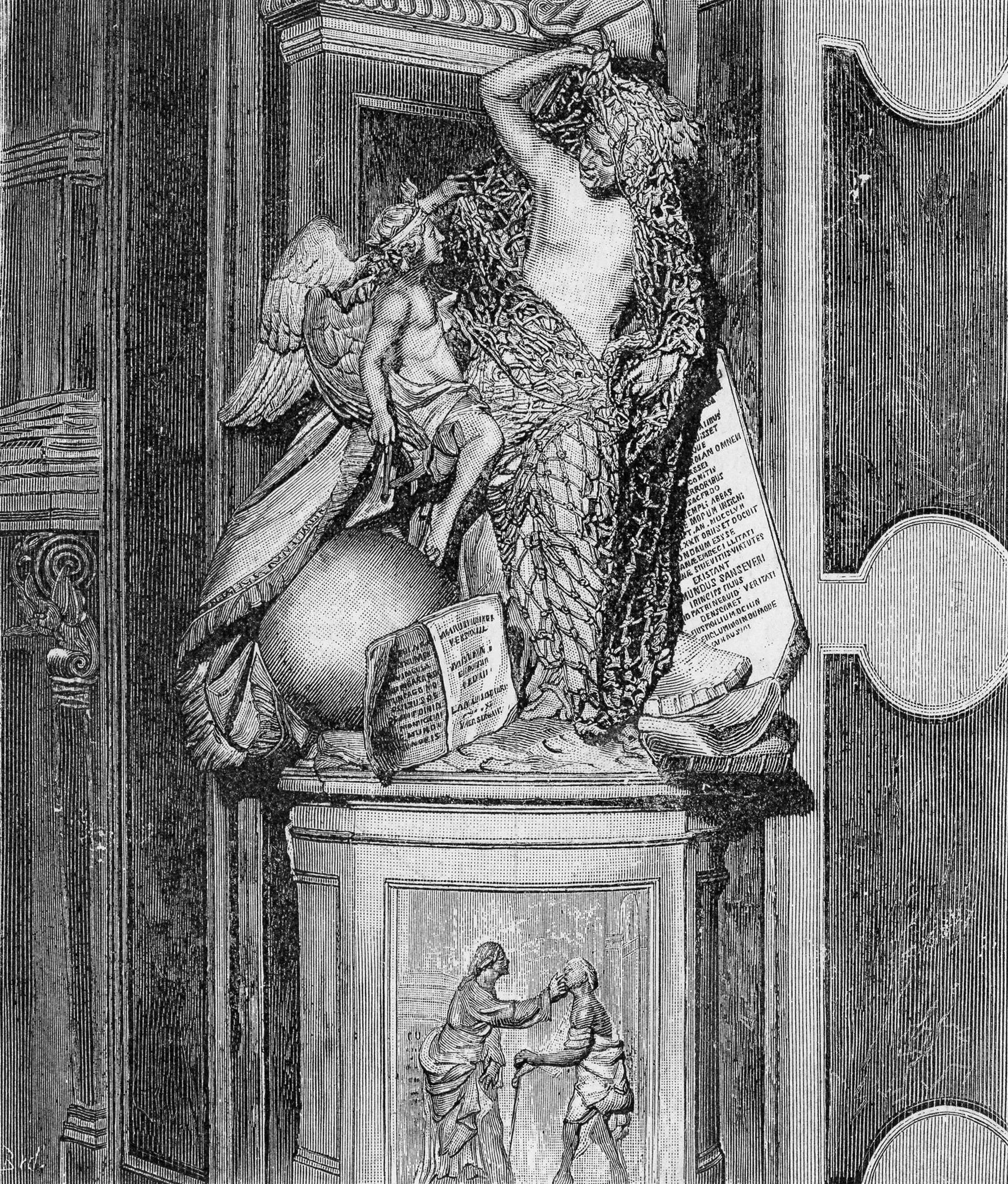
What begins to loosen?
The working thesis
The chapel as athanor; the visitor as matter
An athanor is an alchemical furnace, associated with the sustained heat required by the Work. My thesis asks us to imagine the chapel in this role: its architecture holds our attention, while its sculptures and symbols sustain an encounter through which perception may change.
Within this reading, Azoth names a principle of mediation and transformation. Associated with philosophical Mercury in alchemical literature, it becomes a way of thinking about passage between apparent opposites: concealment and revelation, bondage and freedom, death and renewal. Mercury and sulfur appear in our visual language as silver movement and amber fire, a symbolic conversation between fluidity and formative intensity. Their meanings vary across authors; the images here are invitations to contemplation.
As we pass imaginatively among the Virtues, the veil asks what we can see and what still eludes us. The net asks what binds us and how discernment might loosen it. Images of mortality ask what must be relinquished before another way of being can emerge. Azoth is the proposed connective principle across these encounters, rather than a substance we claim was physically present in the room.
A thesis in progress. This specific chapel–visitor–Azoth synthesis is my interpretive proposal. Historical sources and earlier initiatory readings guide the inquiry; they do not establish that Raimondo designed a documented Azoth ritual or a fixed route of initiation.
A contemplative sequence for this journey
Four movements of the inward Work
The animated sequence offers a contemplative rhythm: prima materia, the unworked material of our habits and assumptions; mortification, the symbolic death of a fixed self-image; putrefaction, the loosening and decomposition of what no longer sustains us; and transfiguration, a renewed capacity to perceive and act. These stages form a sequence devised for this journey, rather than a universal alchemical formula.
The return matters. Each encounter may reveal another layer of unworked material. The labyrinth becomes an image of patient attention: a turning, a reconsideration, a return to the same question with different eyes.
A personal note
Architecture and the work of the stone
This exploration grows from an aspect of my interest in architecture that I want to share more openly. I am drawn to its aesthetic life—to proportion, light, material, and the way a space changes our attention—and to its capacity to embody an allegory of inner development.
The mason working the rough ashlar into the perfected stone offers a compelling image for that relationship. The work requires patience, discernment, and repeated correction. Inwardly, I understand it as the refinement of character and perception: learning to recognize our roughness, bring our capacities into proportion, and become more responsible participants in a larger whole.
The perfected stone is a guiding image. Its value lies in the continuing practice it asks of us. In the same spirit, I hope the Phoenix Cabinet will grow into a place where beauty leads to inquiry, and inquiry returns us to the work of living.
Architecture as an allegory of inner development
The doorway is open
Enter the Athanor Initiatic Journey
The first exploration is now available in the Phoenix Cabinet. You can follow its encounters, pause with the images, and examine the historical notes alongside the proposed symbolism. Over time, I intend to deepen it into a more comprehensive study and a richer digital journey, attentive to both scholarship and experience.
For now, I invite you to cross the threshold with a question of your own.
